
Healthy trees are beautiful, provide shade and value in any property, but when pests invade, trees can turn out to be a great nightmare. Trees that are stressed, damaged, or in bad condition tend to attract insects and other pests. Infestations unattended may make trees weak, cause diseases, and even pose a safety risk to the surrounding buildings and individuals. It is necessary to be familiar with the warning signals of the issue, and how appropriate care of trees may assist in safeguarding your landscape, protecting the well-being of the tree, preventing expensive long-term damage, and ensuring a balanced, well-being outdoor landscape throughout the year.
Why Pests Are Attracted to Trees
The trees offer easy access to food and shelter to pests, which will naturally be attracted to them. The trees that are weakened due to drought, storms, or improper pruning and trees affected by diseases, emit chemical signals to attract insects. The stressed trees are the perfect habitat of pests to nourish, multiply, and infect other plants.
There are also species of trees which are more susceptible to infestation because of their structure or growth patterns. Thick foliage, rotting wood, and too much moisture may provide conducive habitats to insects. Unless taken care of regularly, these conditions deteriorate as time goes by, posing a probability of pest problems spreading all over your premises.
Common Signs of Tree Pest Infestations
Leaf damage is one of the first indications of an infestation of a pest. The presence of chewed edges, holes in it, curling, or discoloration can be a sign of the presence of insects that feed on foliage. In other instances, Leaves can fall too soon, and this is an indication of stress due to pests that tamper with the uptake of nutrients.
Others are the presence of small holes in the trunk or branches, a sawdust-like substance around the tree base, or a sticky substance on the surfaces and leaves. You can also find in it dead branches, poor growth, or bark scales falling off. All these symptoms tend to indicate that insects have excavated in the wood, weakening the internal structure of the tree.
Hidden Damage Beneath the Surface
Not every damage caused by pests can be seen at the first glance. Most insects attack trees internally and feed on sapwood or interfere with the flow of nutrients. In the long run, this internal harm makes the tree weak and therefore easily broken during storms or in strong winds.
Invisible infestations may also spread to other plants and trees. One untreated tree would be the cause of a greater infestation that would spread to the rest of the landscape. Professional attention and early identification of pests are essential in preventing irreparable damage to the pests.
How Proper Tree Care Prevents Pest Problems
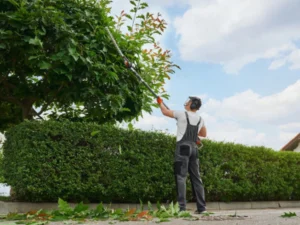
Prune maintenance is also crucial in avoiding the infestation of trees. Healthy trees are resistant to pests since they have a way of defending themselves. Frequent pruning of the trees eliminates the dead or sickly branches, which attract the insects and enhance the movement of air within the canopy.
The health of the trees is maintained through proper watering and soil conditions. When trees are well fed with sufficient nutrients and moisture, they tend not to be stressed, and therefore, there is no possible attraction of pests. Preventive care makes trees stronger and restricts the possibilities of insects from forming colonies.
The Role of Professional Tree Inspections
Professional tree inspections assist in detecting early problems of pest activity that can be missed by homeowners. Aborigines who are trained in this field will be able to check on the well-being of trees, identify subtle symptoms, and prescribe suitable cures. More invasive solutions can be avoided by early intervention.
Inspections will also be used to establish the localized or spreading infestations. It can be treated with specific plans that save not only the trees but also the vegetation around. The effectiveness and environmental responsibility of care strategies are facilitated by professional guidance.
When Pest Damage Requires Immediate Action
Pest attacks can undermine the stability of the trees in extreme situations. Trees that are severely damaged internally can be a safety hazard, particularly when they are found close to residential structures, sidewalks, or power lines. There could be a need to act immediately to avoid falling trees or the total failure of trees.
Removal of the tree is probably a safe process when the infestation is uncontrollable or when the tree is too old, and it is not possible to save its structure. Eradication of highly infested trees may also help to avoid the spread of pests to other healthy trees in the area to save the overall landscape.
Ongoing Maintenance for Long-Term Protection
The best solution to recurring pest problems is constant maintenance. Pruning seasonally, soil maintenance, and surveillance contribute to the maintenance of trees so that they are robust. Dealing with small problems at the beginning minimizes the chances of small problems escalating into serious ones.
Continued maintenance also helps in maintaining the balanced development and enhancement of the scenery. Properly managed trees will add value to a property and reduce the hazards to safety as well as the unforeseen repair expenses.
Conclusion: Protect Your Trees with Expert Care
Infestations of pests may cause the healthy trees to become a big liability, especially when they are not treated or detected. Being aware of the pest manifestations and spending on proper tree care is an important measure in keeping a safe and appealing landscape, as well as avoiding expensive, careless damage and unnecessary hazards.
In case you want to be worried about pest infestations or the poor health of trees, call Tree Service Bronx. Their professional team of tree trimming, tree removal, and tree health inspections is able to offer you great customer protection, from infestation, avenues to restore the tree’s vitality, as well as to provide long-term protection of the landscape, safety, and peace of mind to homeowners.