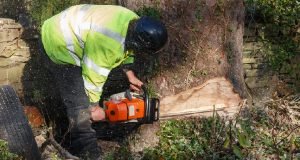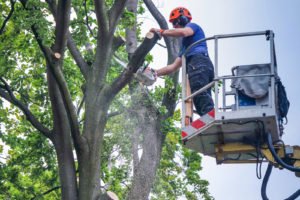
Healthy trees add beauty, shade, and value to your property, but a tree with hidden structural problems can quickly become a serious safety hazard. In the Bronx, heavy rain, strong winds, snow, and aging trees can increase the risk of falling branches or complete tree failure. Recognizing the warning signs early can help prevent costly property damage and keep your family safe.
1. The Tree Is Suddenly Leaning
Not every leaning tree is dangerous, but a tree that begins leaning after years of growing straight should never be ignored. A sudden lean often indicates root damage or soil instability. If you notice exposed roots, cracked soil, or a tree tilting toward your home, garage, or driveway, schedule a professional inspection as soon as possible.
2. Large Dead Branches
Dead limbs are one of the most common hazards for homeowners. These branches can fall without warning, especially during storms or high winds. If you notice large branches with no leaves, brittle wood, or peeling bark, professional pruning may be necessary before they become a danger.
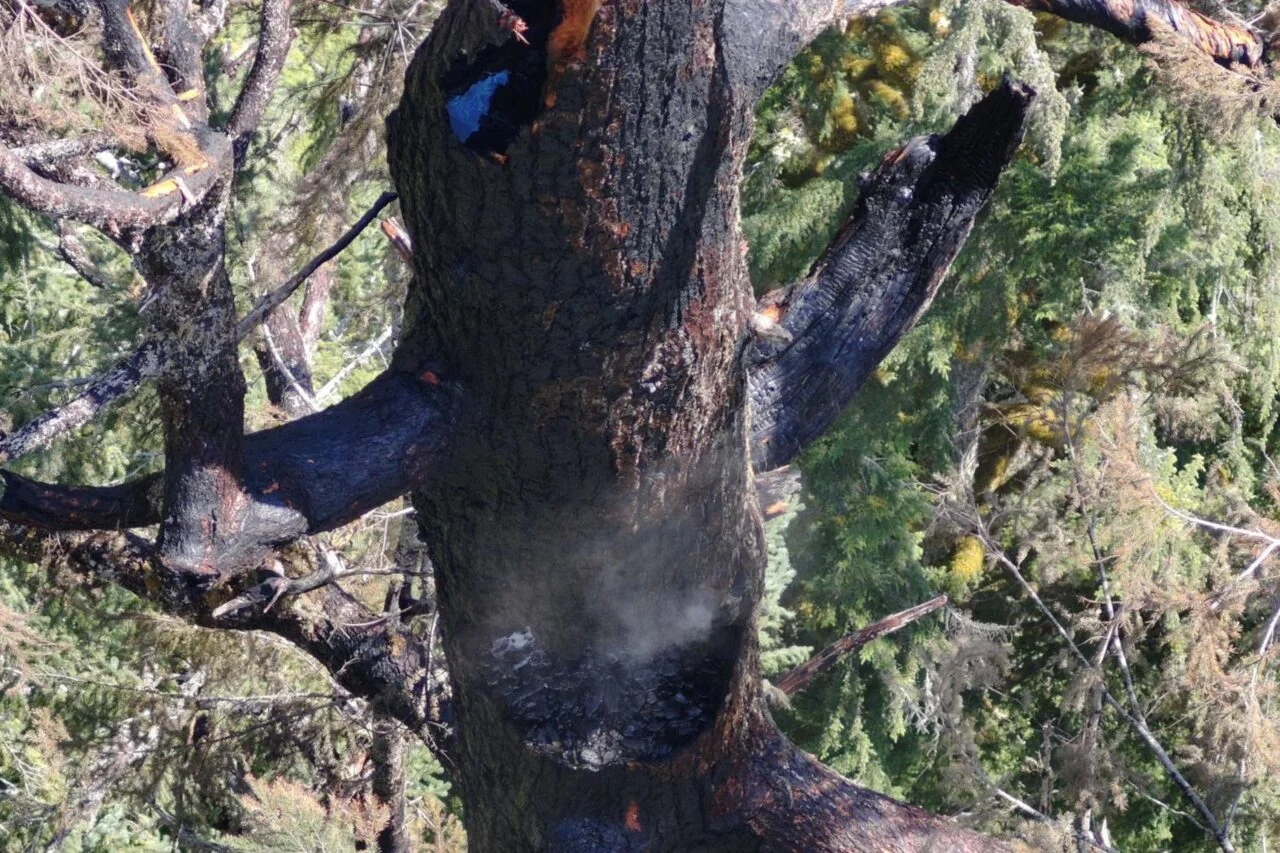
3. Cracks or Splits in the Trunk
Deep vertical or horizontal cracks in the trunk may indicate structural weakness. While small surface cracks can be normal, large openings or multiple splits often suggest the tree is no longer able to support its weight safely.
4. Mushrooms Growing Around the Base
Fungi growing near the trunk or root flare often indicate internal decay. Since much of the damage occurs inside the tree, it may appear healthy from the outside while becoming increasingly unstable beneath the surface.
5. Hollow Areas or Missing Bark
Trees naturally lose small sections of bark over time, but large patches of missing bark or hollow cavities can be signs of serious decay. A hollow trunk significantly reduces the tree’s structural strength and increases the likelihood of failure during severe weather.

6. Root Damage
Construction projects, excavation, soil erosion, or repeated flooding can damage a tree’s root system. Warning signs include lifted soil around the base, exposed roots, or a tree that appears unstable during windy conditions. Since roots provide the tree’s foundation, damage below ground should never be overlooked.
7. Frequent Falling Branches
If your tree regularly drops branches—even in calm weather—it may be suffering from disease, internal decay, or structural stress. Frequent branch failure is often an early warning that larger limbs or the entire tree could eventually collapse.
Why Early Tree Inspections Matter
Many dangerous trees continue producing leaves and appear healthy despite significant internal damage. A professional inspection can identify hidden defects before they result in emergency tree removal or expensive repairs. Regular maintenance, pruning, and timely removal of hazardous trees help protect your home, vehicles, and everyone on your property.
Final Thoughts
A hazardous tree rarely becomes dangerous overnight. By paying attention to warning signs such as leaning trunks, dead branches, trunk cracks, root damage, fungal growth, and frequent limb failure, Bronx homeowners can address problems before they become emergencies. If you notice any of these issues, it’s best to have the tree evaluated by experienced professionals to ensure your property remains safe throughout every season.