Strong storms are a regular part of life in the Bronx, bringing heavy rain, powerful winds, and occasional snow or ice. While it’s easy to spot a tree that has already fallen, many trees suffer hidden damage that isn’t immediately visible. A tree may appear healthy after a storm but still pose a serious risk weeks or even months later. Understanding the long-term effects of storm damage can help homeowners protect their property and avoid unexpected emergencies.
Hidden Damage Isn’t Always Obvious
Not all storm-related damage is easy to recognize. High winds can weaken branches, crack the trunk, or damage the root system without causing the tree to fall right away. These hidden problems often worsen over time, making the tree increasingly unstable.
A professional inspection after severe weather can identify structural issues before they become dangerous.
Broken Branches Can Become Future Hazards
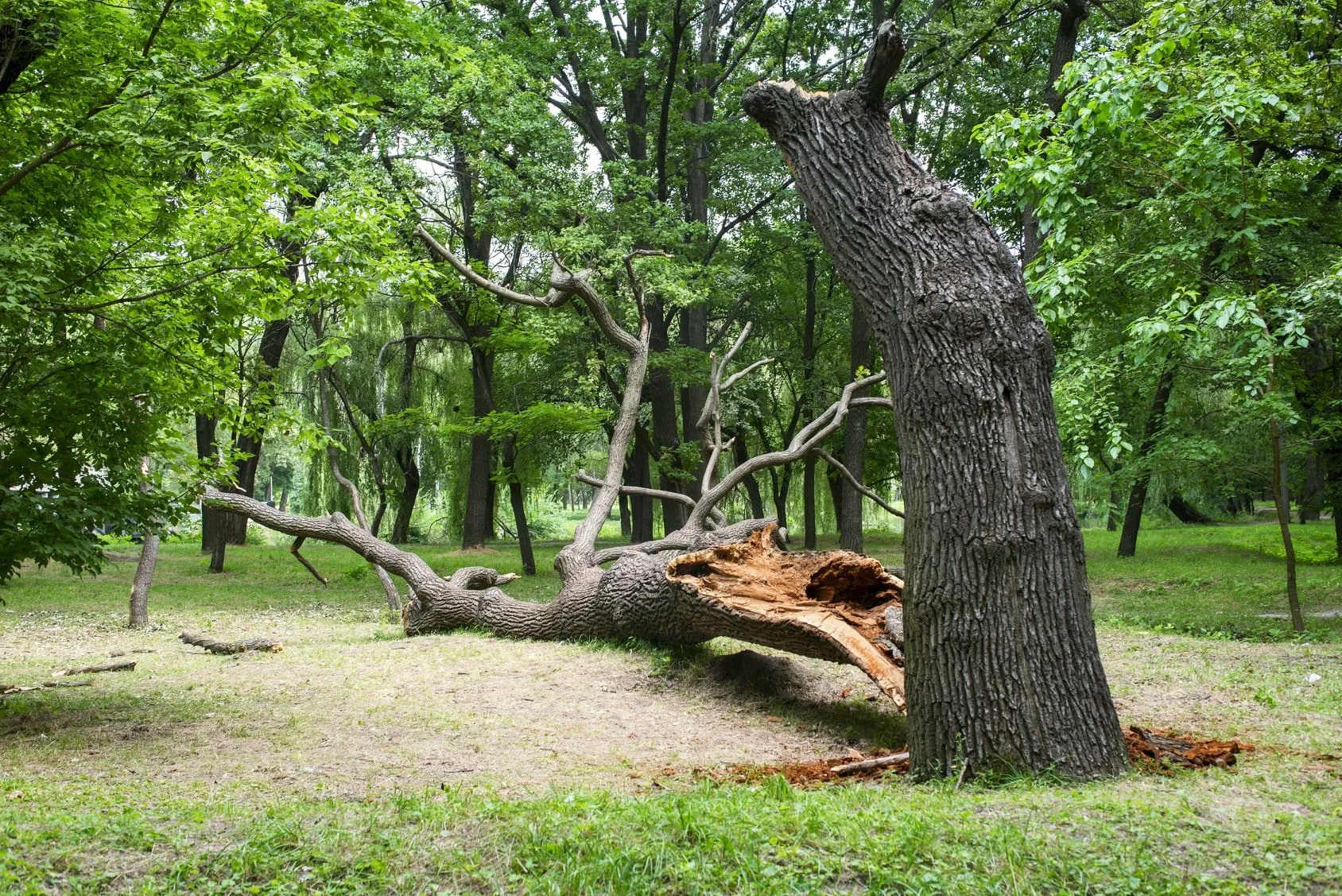
Large branches that crack or partially break during a storm may remain attached to the tree. These damaged limbs are commonly known as “hangers” because they can fall unexpectedly days or even weeks later.
Removing damaged branches promptly reduces the risk of injury and prevents additional stress on the tree.
Root Damage Can Affect Tree Stability
Heavy rainfall can soften the soil and weaken a tree’s root system. Strong winds may partially uproot the tree even if it remains standing. Since roots provide the tree’s foundation, any damage below ground can significantly increase the risk of future failure.
Signs of root damage include:
- Newly leaning trees
- Raised or cracked soil around the base
- Exposed roots
- Reduced stability during windy conditions
Trunk Cracks Should Never Be Ignored
Storms can create deep cracks or splits in the trunk that compromise the tree’s structural strength. Water can enter these openings, leading to decay, insect infestations, and additional weakening over time.
Even small cracks should be evaluated if they continue to grow after a storm.
Damaged Trees Attract Pests and Disease
Open wounds caused by broken branches or cracked bark create entry points for insects and fungal diseases. As decay spreads inside the tree, its structural integrity declines, increasing the likelihood of branch failure or complete collapse.
Early treatment or removal of severely damaged trees can prevent these problems from spreading to nearby healthy trees.
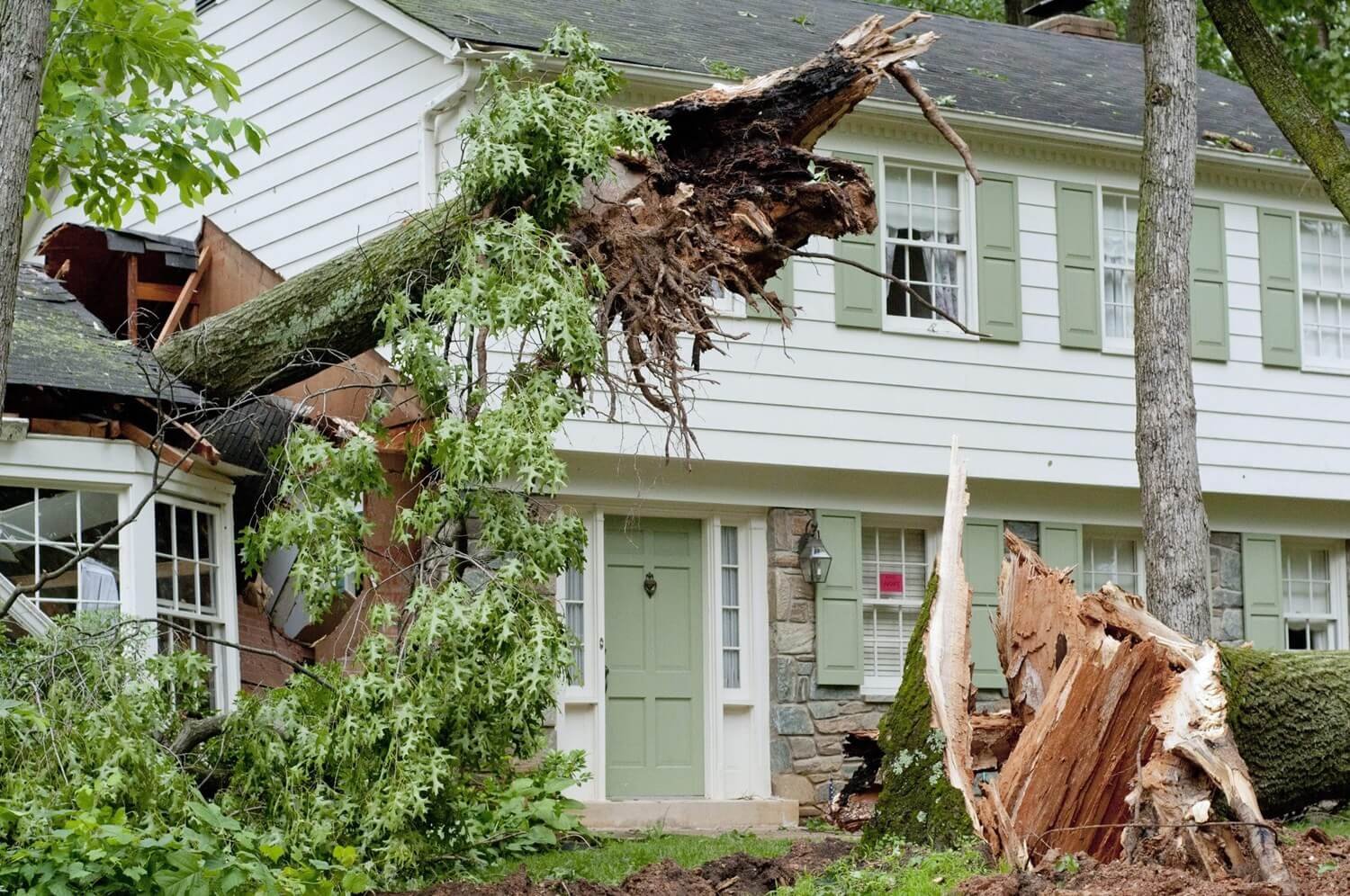
Warning Signs to Watch For
After a storm, monitor your trees for signs such as:
- Hanging or broken branches
- Leaning trunks
- Cracked bark
- Mushrooms growing near the base
- Dead or dying limbs
- Sudden leaf loss during the growing season
These symptoms often indicate that the tree has sustained more damage than is visible from a distance.
Prevent Future Storm Damage
Routine tree maintenance is one of the most effective ways to reduce storm-related risks. Regular pruning removes weak branches, improves the tree’s structure, and allows wind to pass more easily through the canopy. Periodic inspections can also identify disease or decay before severe weather makes the problem worse.
Conclusion
The danger doesn’t always end when a storm passes. Hidden structural damage, weakened roots, cracked trunks, and broken branches can leave a tree vulnerable to failure long after the skies have cleared. Scheduling a professional tree inspection after major storms is one of the best ways to protect your Bronx home, family, and property while keeping your landscape healthy and safe throughout the year.